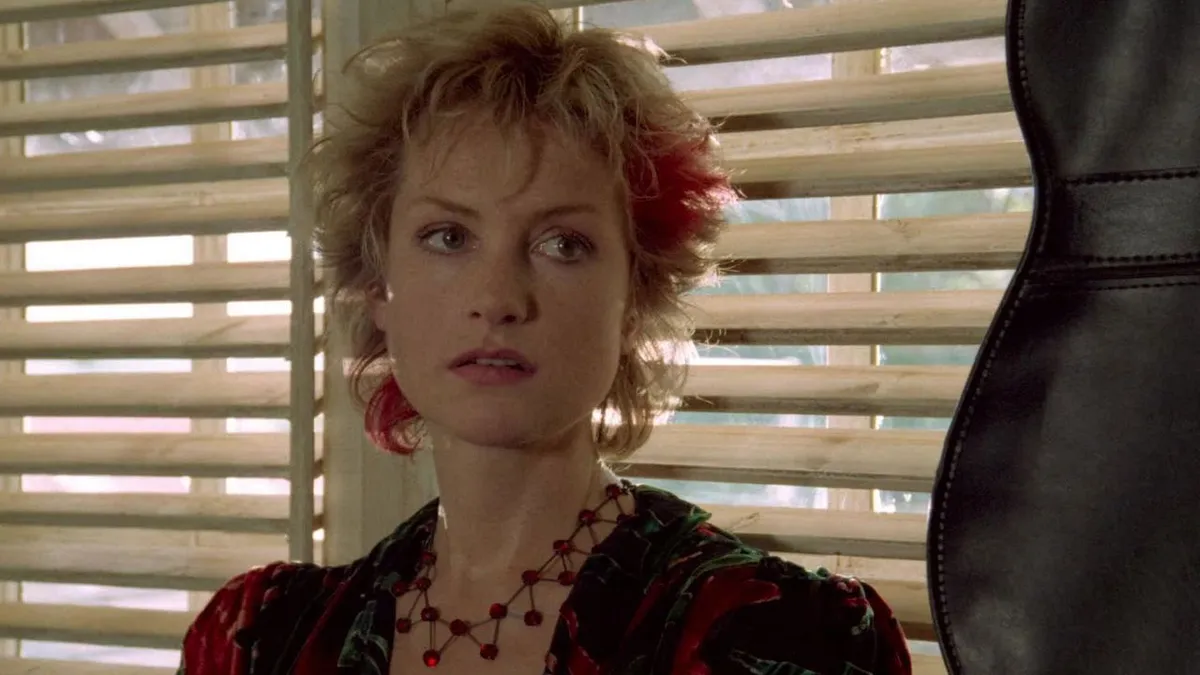
A love letter to Isabelle Huppert
Keeping within the movie theme, my submission for this months IndieWeb Carnival is an appreciation (love letter) to the French actress Isabelle Huppert. It wasn’t my first love in the cinematic world, that would have been either Gillian Anderson or Jodie Foster, nor the most recent one - which would go to Marlene Dietrich. Isabelle Huppert is not only the actress I have seen in most films with (only passed by Clint Eastwood for actors of all genders - but that is for a different blog post), but also where it is her range in acting I appreciate the most and she is always worth watching, even in less than great films.
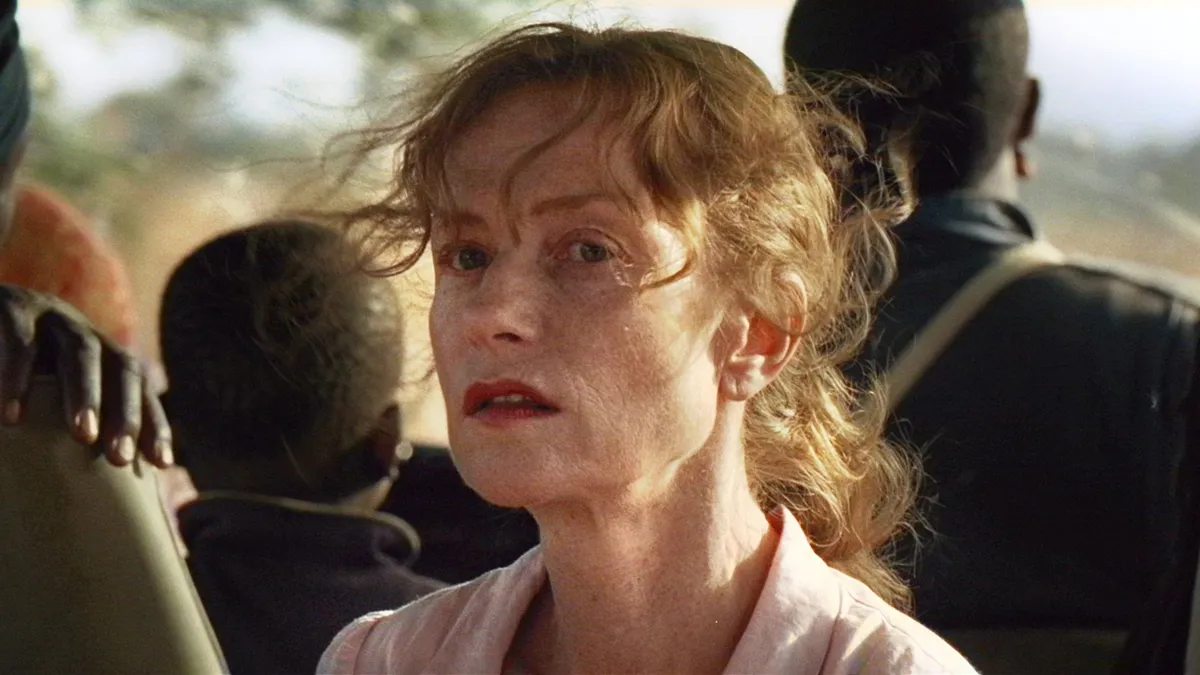
Britannica.com describes her as:
a French actress who was acclaimed for her versatility and for the subtle gestures and restrained emotions of her portrayals.
And until recently her Wikipedia page said she was:
known for her portrayals of cold, austere women devoid of morality
Very accurate I must say and what makes her appealing to me. She has what could be described as arrogant, dismissive and glacial demeanour. Just throw in the whole thesaurus for good measure. Her acting style is usually very restrained, but a simple look, twitching of the muscles in the neck or slight shift in body language tells more than a thousand words. Every scene she is in is interesting because of her intriguing but ultimately unreadable presence and state of mind. It often seems like she is scheming something devious (and in many of her roles, she is doing exactly that), but we only have her smirky expression to guess from what it might entail.
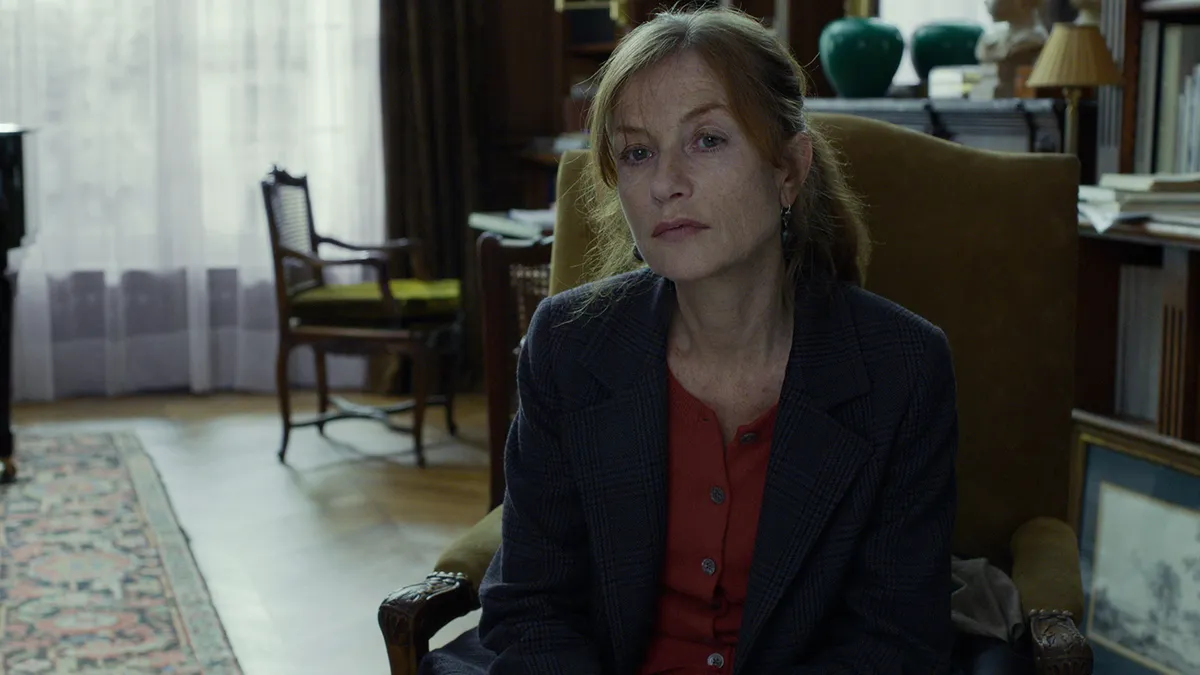
Her emotions in her roles is mostly carried on the inside and held back, so when she does let go, the emotional outburst comes with greater surprise and power, because it is often out of character. While her default mode may often be on the arrogant side, she can still be sweet, gentle and fragile. Combined with her often snarky sarcasm makes her performance and characters strangely alluring and fascinating to behold.
It also helps she often appears in good films. I first saw her in The Piano Teacher (La Pianiste) directed by Michael Haneke. She won best actress for that role in Cannes. She plays a piano teacher at a prestigious conservatory in Vienna, teaching young aspiring players from the rich upper class of society. While she works and live in that milieu and fits her role well there, privately she is - to say it mildly - a bit of a mess. She still lives her with aging and very controlling mother, they sleep in the same bed and her sexuality is seriously twisted. Her understanding and immaturity of her own sexuality is utterly deranged, and that becomes in full display when she engages in an affair with one of her students. It is that duality that makes her character, and in effect Huppert’s superb acting, where she is both strong and assertive, but also fragile and deeply broken.
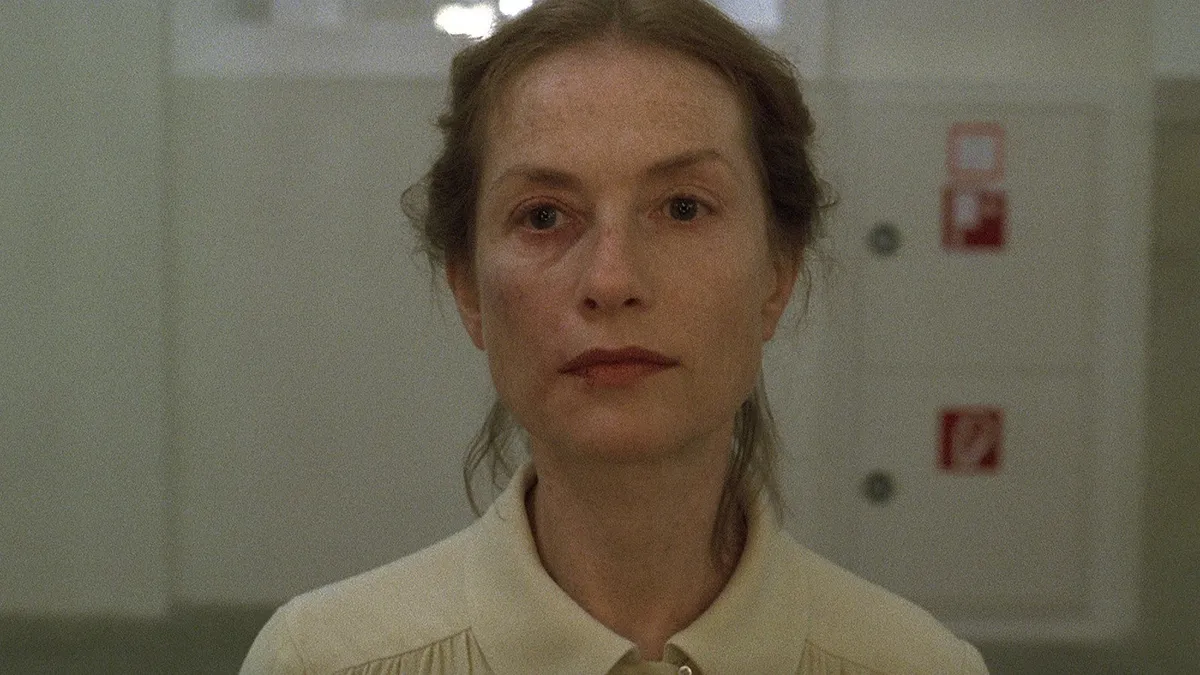
Another stellar role is in Things to Come (L'Avenir) directed by Mia Hansen-Løve, where Huppert plays a philosophy teacher and has to deal with rebellious students, an aging mother that has lost the will to live, a divorce and an academic career slowly declining. What I found especially interesting about her role in this, is how she depicts a strong woman in control despite being challenged from several sides at once, but she also loses herself in the process. Yet it still seems like she finds happiness through all the hardships getting thrown at her.
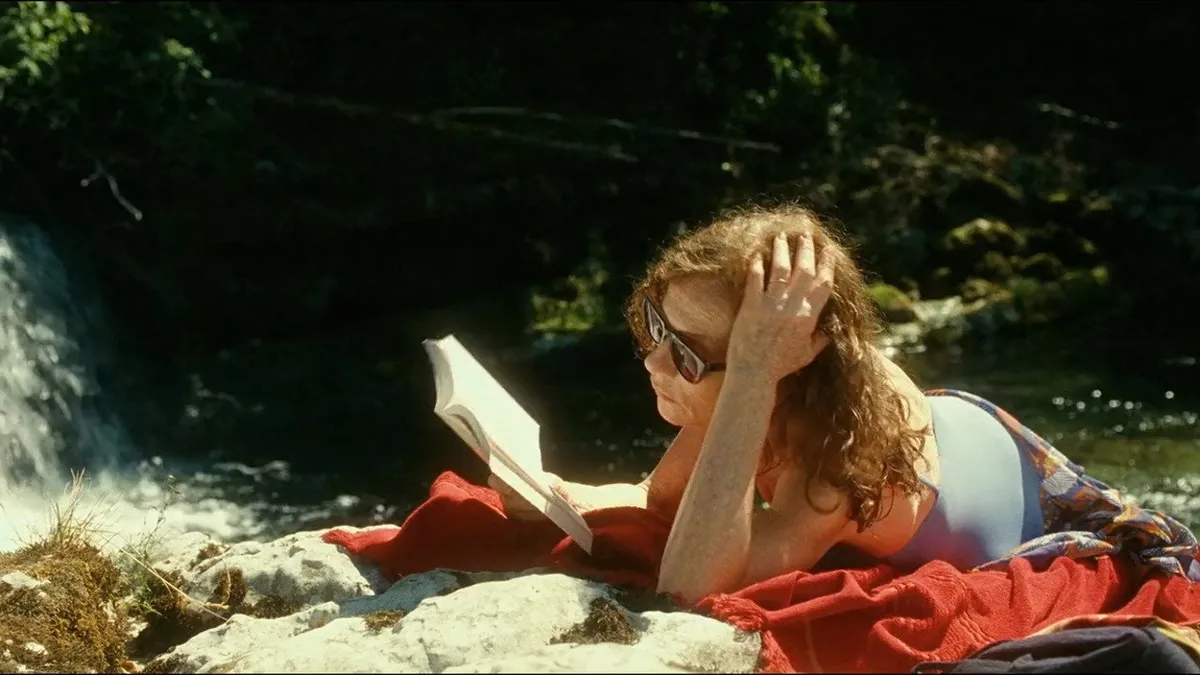
With Paul Verhoeven’s Elle from 2016 she sorts of revisits her role from The Piano Teacher, at least thematically, as we are again in controversial sexual repression territory. It is Verhoeven after all. She plays the CEO of a gaming software company, who becomes the victim of a brutal home invasion rape. Despite all the horrible things happening to her, she barely acts more than a little annoyed. The whole film is one big controversial blur of the lines between rape and consent. The films provocation is strongly founded in Huppert’s characterisation that goes against what we usually expect from rape victims in movies, and with Verhoeven’s ambiguous satire is forcing you to think. Just like he did with Showgirls.
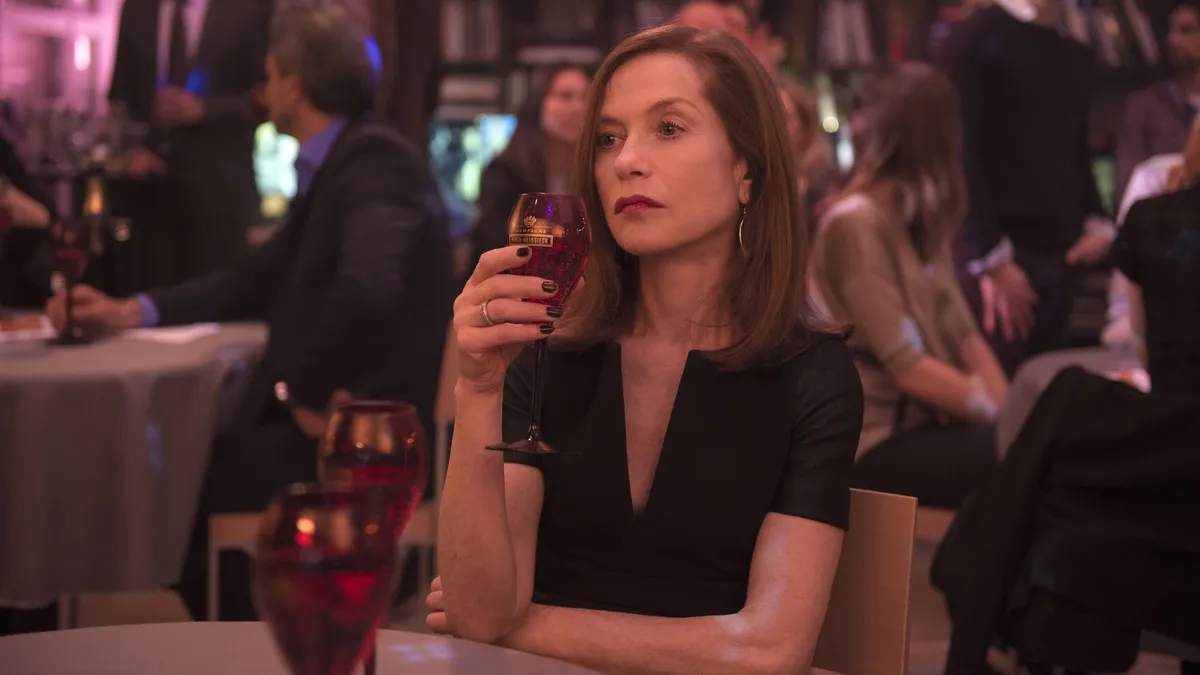
I also just have to highlight her in Abuse of Weakness (Abus de faiblesse) directed by Catherine Breillat where she plays a filmmaker (it is a semi-autobiographical story from Breillat) who falls victim to an elaborate emotional con that robs her of all her money. Once again Huppert plays a woman going through horrible hardships, suffering from a stroke, rolling on the floor in intense pain and the whole film we see her suffering from the aftermath and it's a really uncomfortable depiction of weakness. Yet, Huppert still maintains to show a character full of confidence and rigour, so when the conman starts to trick her into writing him large checks, I thought she was playing him somehow. Because that is what you expect a Huppert character to do. There is often something more going on inside her head. Some clever scheming or plan that the viewer doesn't understand. The brilliant thing here is that the film plays into our expectations of Isabelle Huppert, because this time things turn out differently.
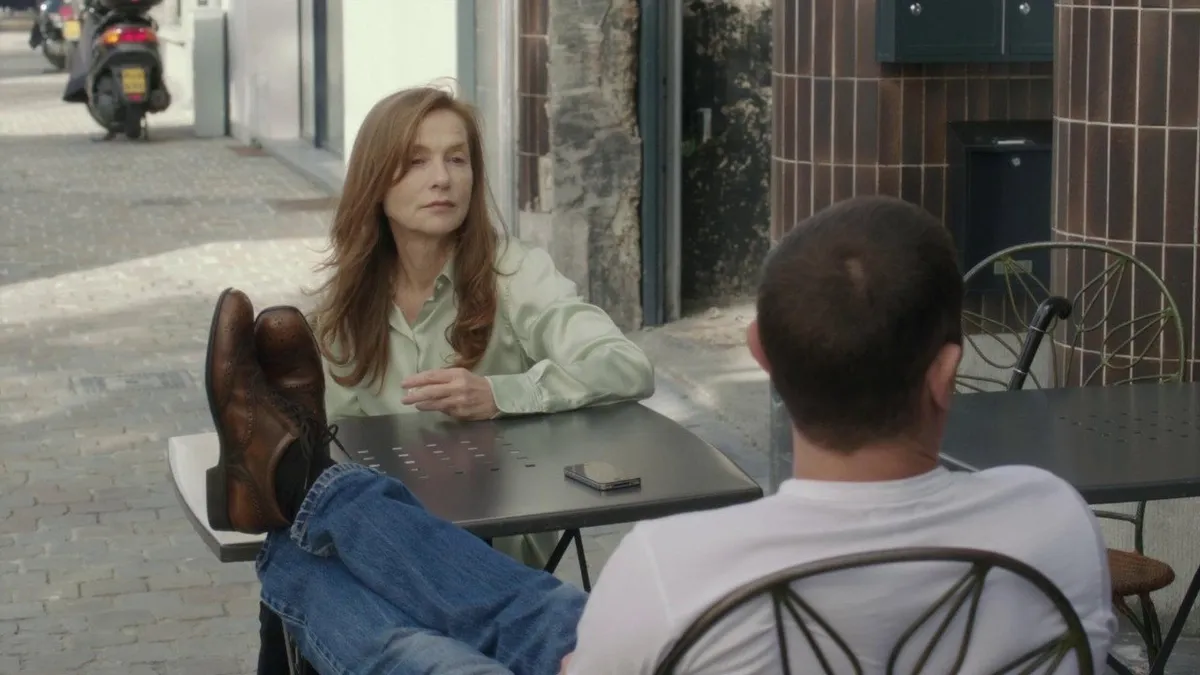
A final film I want to mention is La Cérémonie directed by Claude Chabrol, where she plays along with Sandrine Bonnaire. Here Huppert is a bit out of character, as it Bonnaire who plays the emotional restrained and cold maid, whereas Huppert is the quirky rebillous outsider. These two together gives an on-screen dynamic like nothing else, within this thriller filled with horrible things of the past, that manages to challenge and subvert the usual urge to root for the working class underdog and not the upper class arrogant family.
In addition to the five films mentioned above, for other great Isabelle Huppert performances I can highlight Happy End, Story of Women (Une affaire de femmes), Time of the Wolf (Le temps du loup) and White Material.